Viewing Room
Folk Tale
Kazuma Koike
2026.3.21 Sat - 2026.4.18 Sat
TEZUKAYAMA GALLERY is pleased to present Folk Tale, a solo exhibition by Kazuma Koike, opening on March 21.
This marks the first solo exhibition at the gallery in six years, since 2020. During this period, Koike’s work has been widely presented at international exhibitions and art fairs throughout Europe, the United States, and Asia, expanding his presence internationally. In 2025, his work was installed in Yodoyabashi Station One (30th floor), a newly opened landmark building, and a photograph of his works were exhibited at Kansai International Airport as part of the KIX CULTURE GATE Project, steadily broadening his activities within the Kansai region as well.
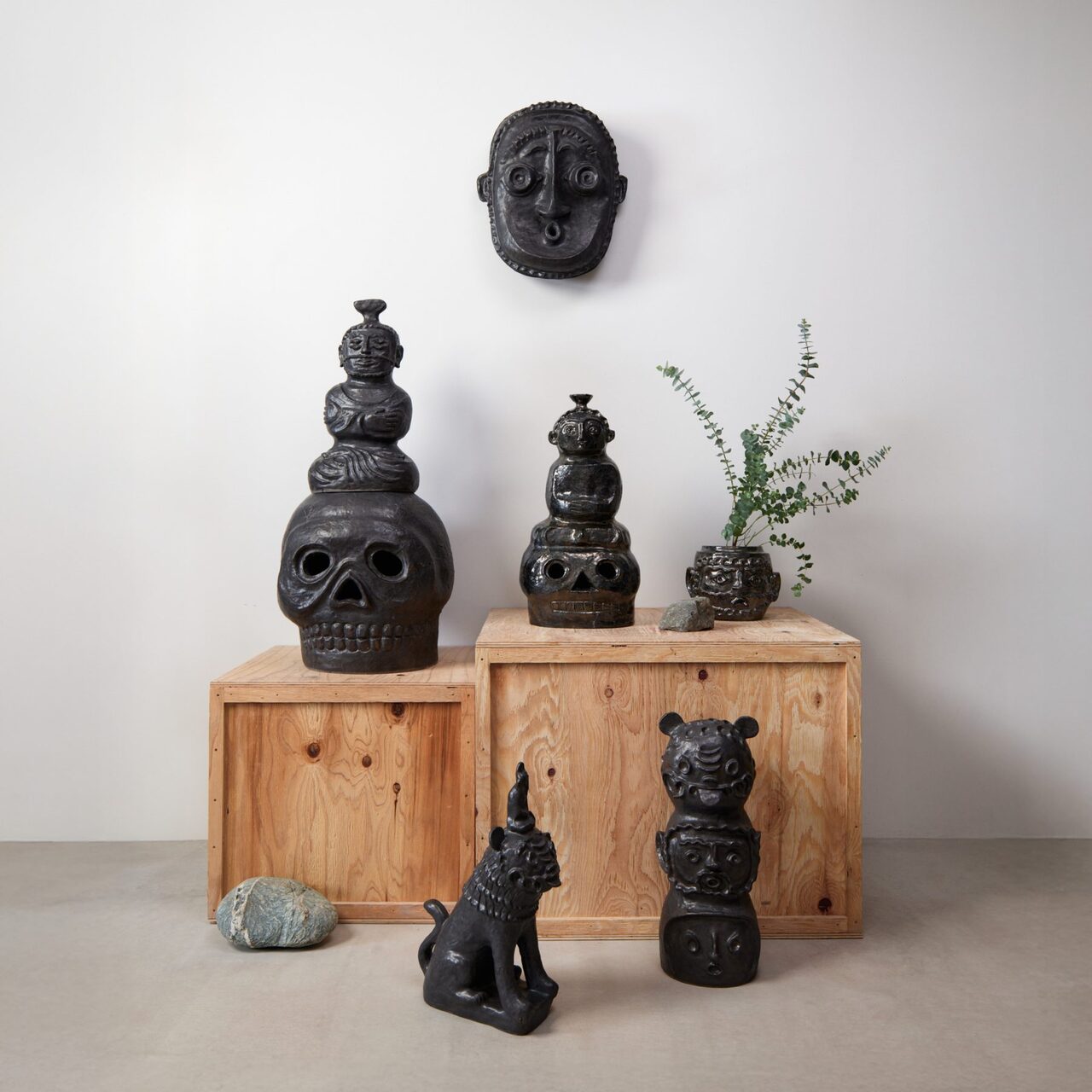
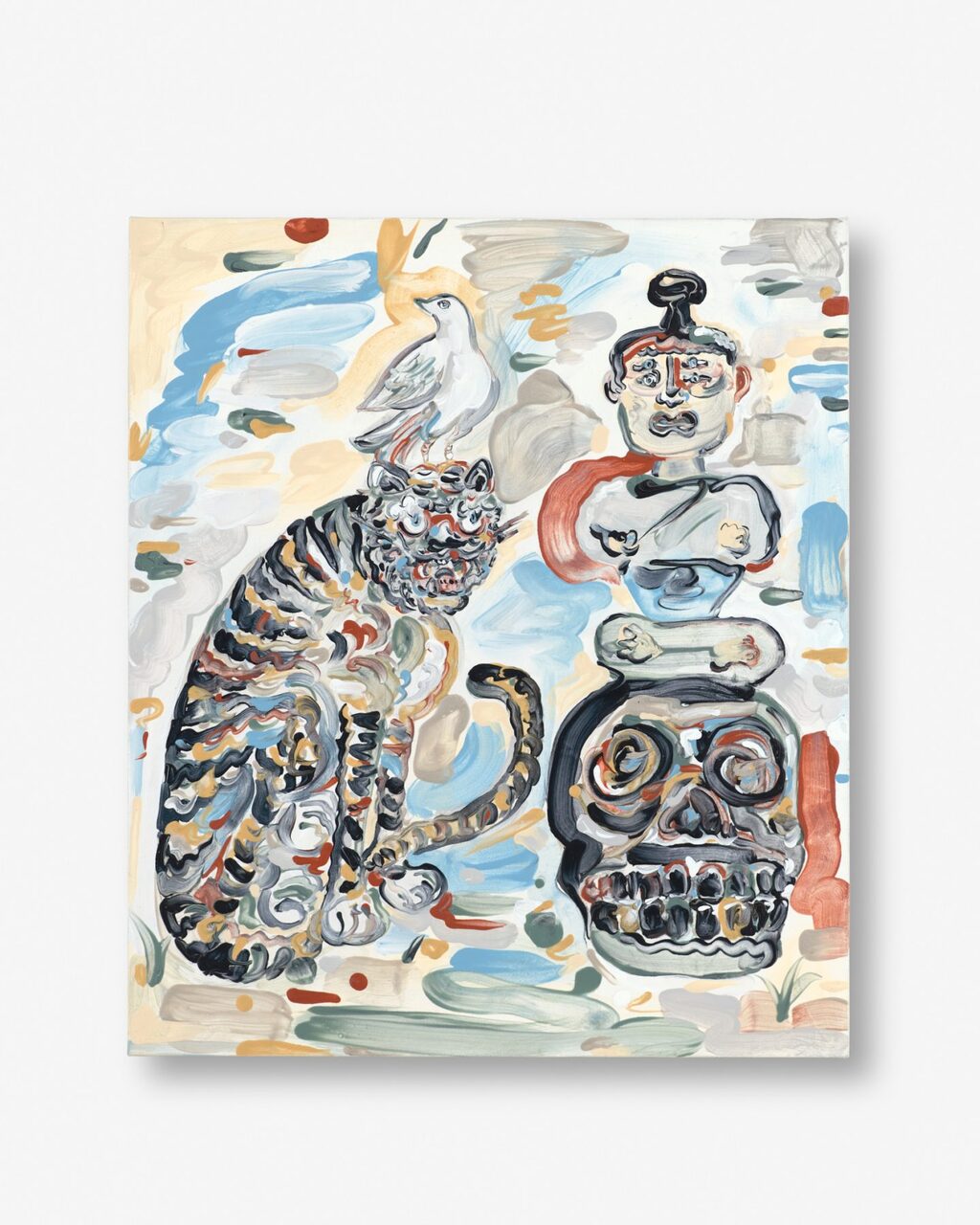
Born in Kanagawa Prefecture in 1980, Koike spent his childhood in Buenos Aires, Argentina, and his high school years in Barcelona, Spain. After graduating in 2003 from the Sculpture Course, Department of Fine Arts, Nihon University College of Art, he relocated his practice from the Kanto region to Kansai in 2012. He is currently based in Osaka. Centered on ceramic sculpture as his primary medium, Koike has expanded into painting, drawing, and installations that organically integrate these forms. By fluidly traversing media, he has continually reconfigured the relationships between sculpture, painting, and space.
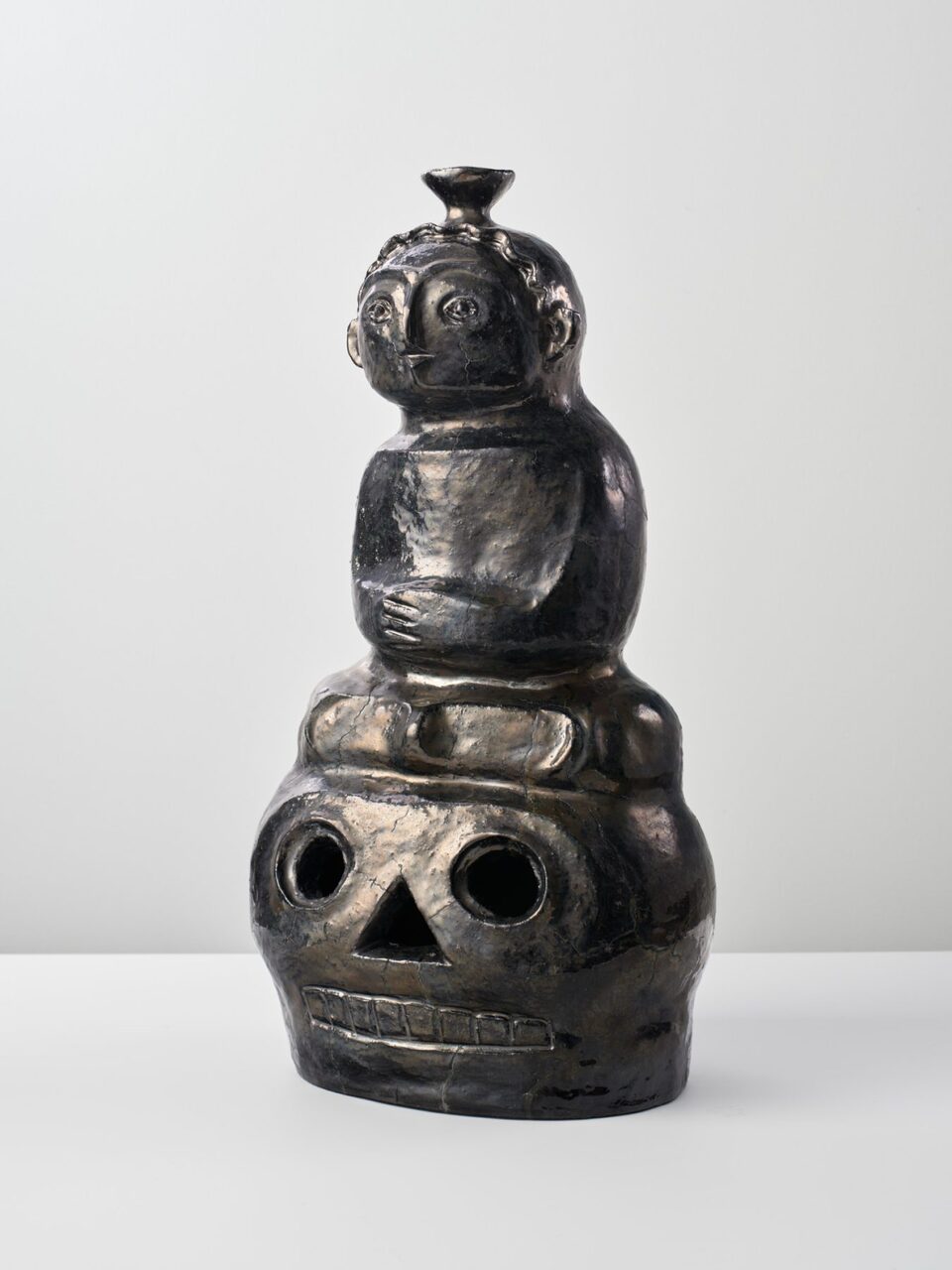
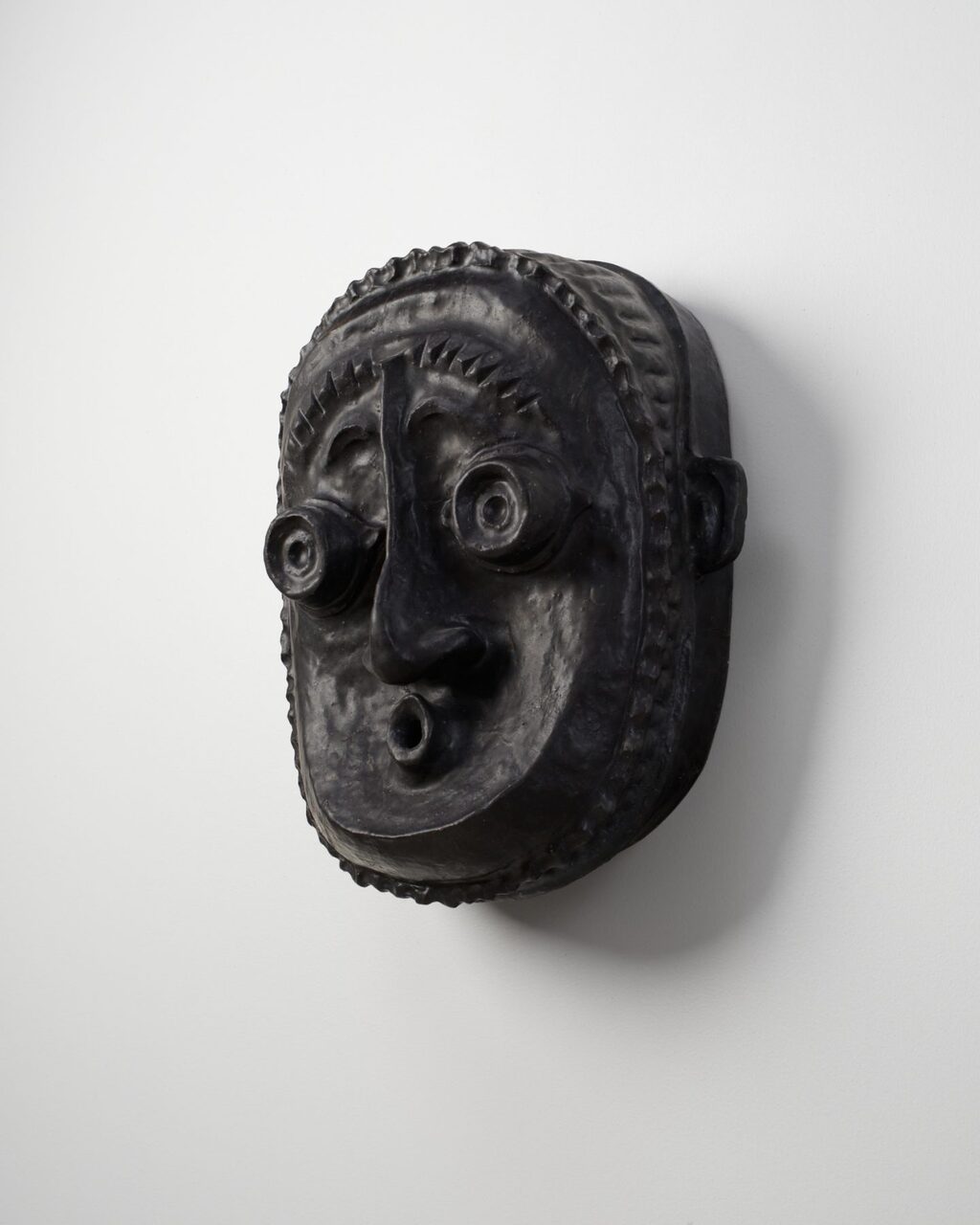
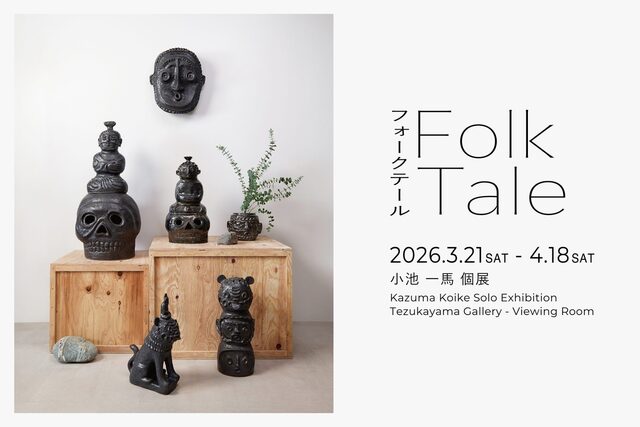
Influenced by mystical forms and practices tied to systems of faith and knowledge—such as Japanese dogū clay figures, haniwa funerary sculptures, Buddhist sculptures by Enkū, and Renaissance Wunderkammer, or “cabinets of curiosities,” which merged faith, knowledge, and spectacle—Koike affirms the ambiguity of form and the transformations that occur within the process of creation as essential to sculptural formation. Rather than strictly predetermining a final form, his ceramic works embrace the autonomous transformations of material that occur from modeling to firing. Firing, in particular, becomes a crucial stage in which uncontrollable conditions such as fluctuations in kiln temperature and the chemical reactions of glazes profoundly affect both form and surface texture.
The dark, profound surfaces of his works, covered in a monochromatic black glaze (rich in iron and producing a deep black tone through oxidation firing), evoke weathering, erosion, and the accumulation of time upon ritual objects. At the same time, they represent the integration of diverse cultural and symbolic elements within a single form. These are not sign-like forms intended to fix and transmit meaning, rather, they are presented as fluid presences that emerge through the interaction of material, time, and imagination.
Underlying these works is an affinity with the concept of shinbutsu-shūgō—the syncretic fusion of Japan’s indigenous Shinto beliefs and imported Buddhist thought, which evolved through centuries of mutual influence. For Koike, visiting temples across Japan and encountering religious architecture, gardens, and sculptural forms serves as an essential reference for his practice. His works repeatedly feature motifs such as an essential reference for his practice. His works repeatedly feature motifs such as divine figures and idols, felines including tigers, plants, pineapples, and vessels. For example, tiger imagery depicted in the Edo period was imaginatively reconstructed by Japanese painters who, without direct observation of the animals, like cats. This imaginative synthesis of disparate elements into new beings deeply resonates with Koike’s own creative approach.
The exhibition title Folk Tale refers to stories that have no single author or fixed origin—narratives that continue to transform as they are passed from person to person. Similarly, Koike’s works do not present explicit narratives but may be understood as presences that can be “told” differently according to each viewer’s memories, beliefs, and cultural background. The exhibition features 20 ceramic sculptures, 12 paintings, and a set of 64 drawings.
We warmly invite you to experience the exhibition.