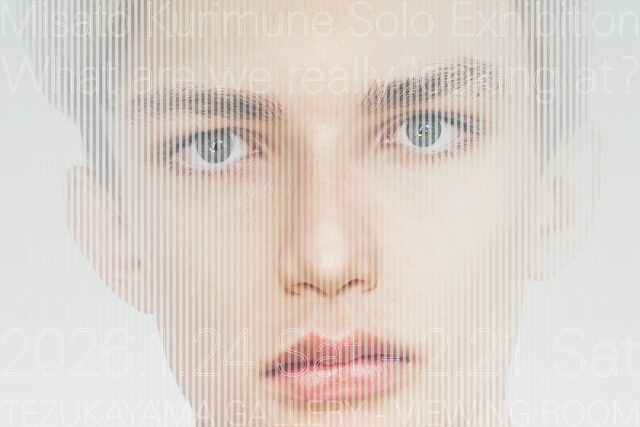
Viewing Room
What are we really looking at?
Misato Kurimune
2026.1.24 Sat - 2026.2.21 Sat
TEZUKAYAMA GALLERY is pleased to present “What are we really looking at?” a solo exhibition by Misato Kurimune.
Kurimune was born in 1988, studied printmaking at Kyoto Seika University and its graduate school, and is currently based in her home prefecture of Hyogo.
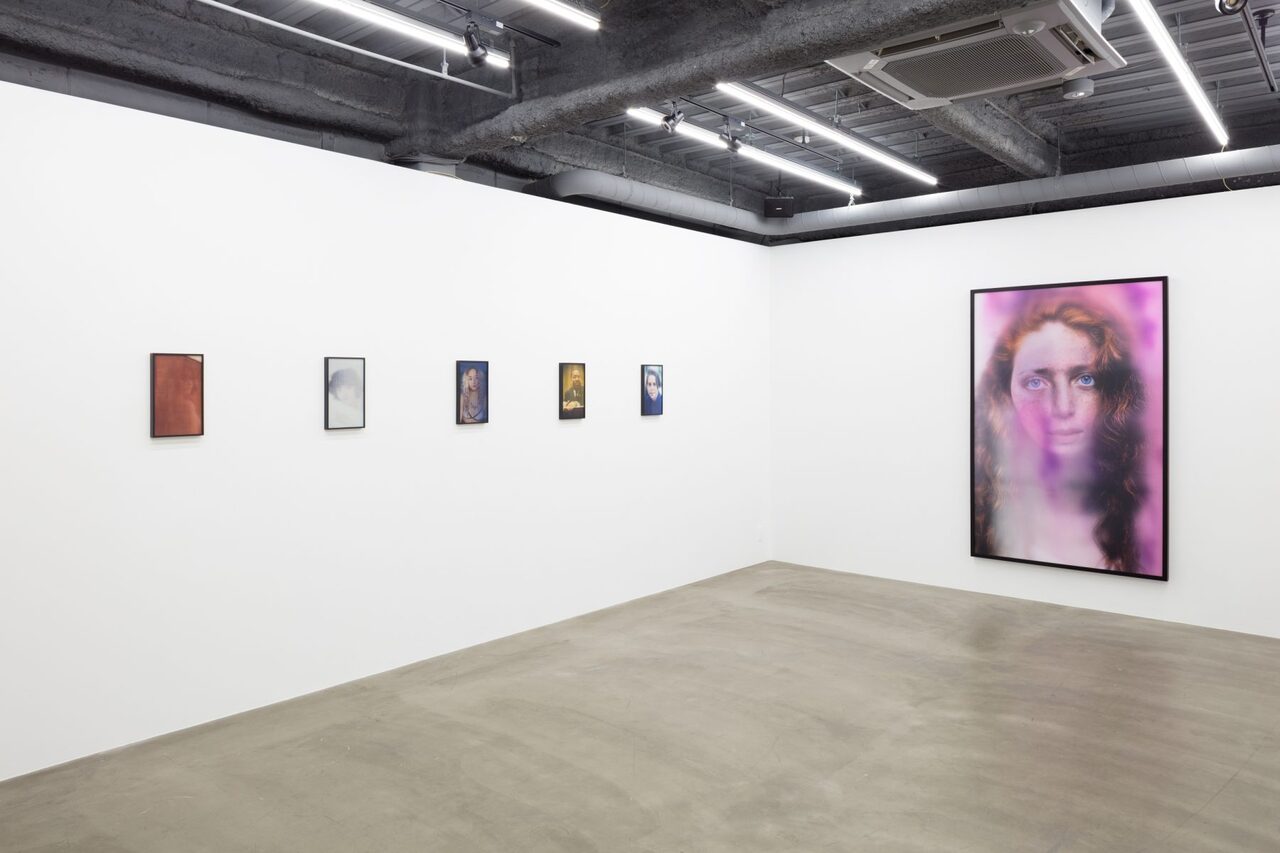
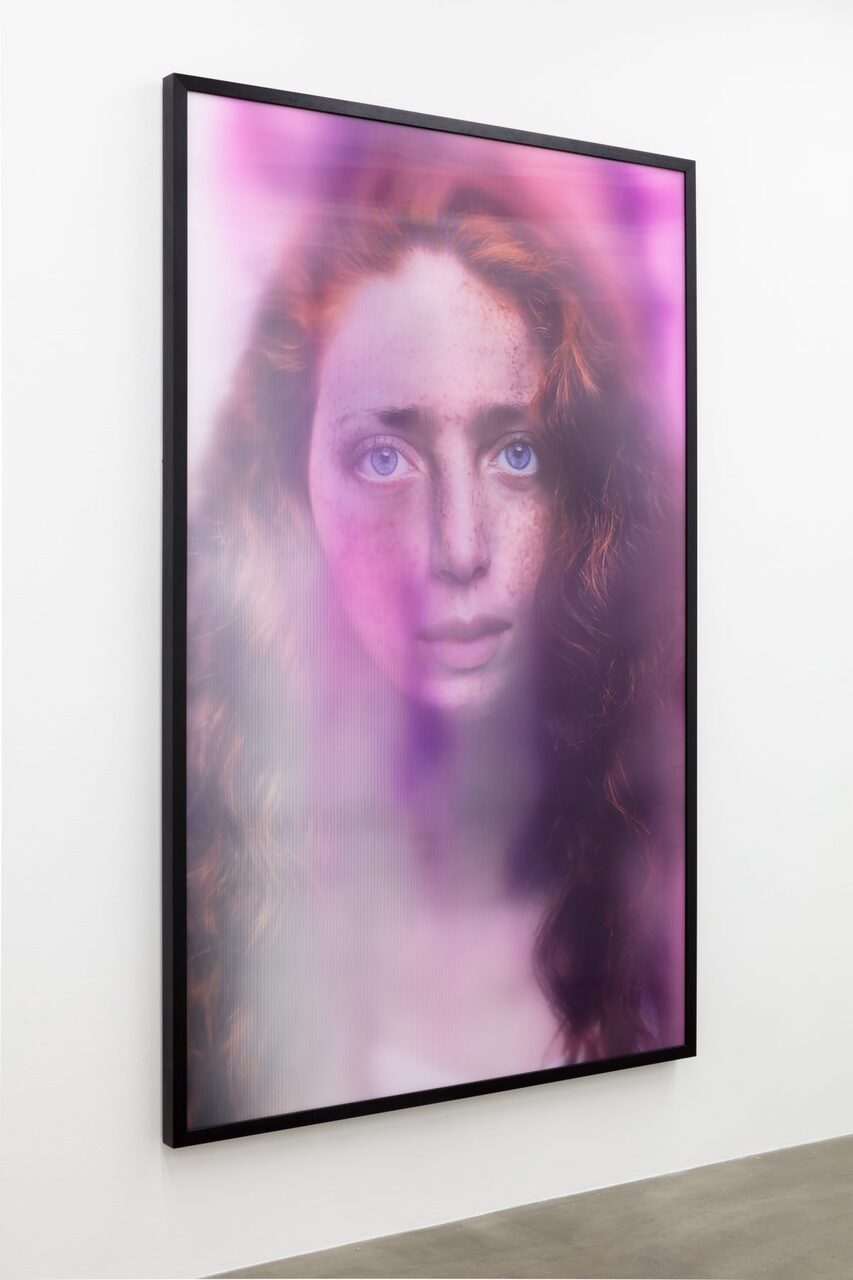
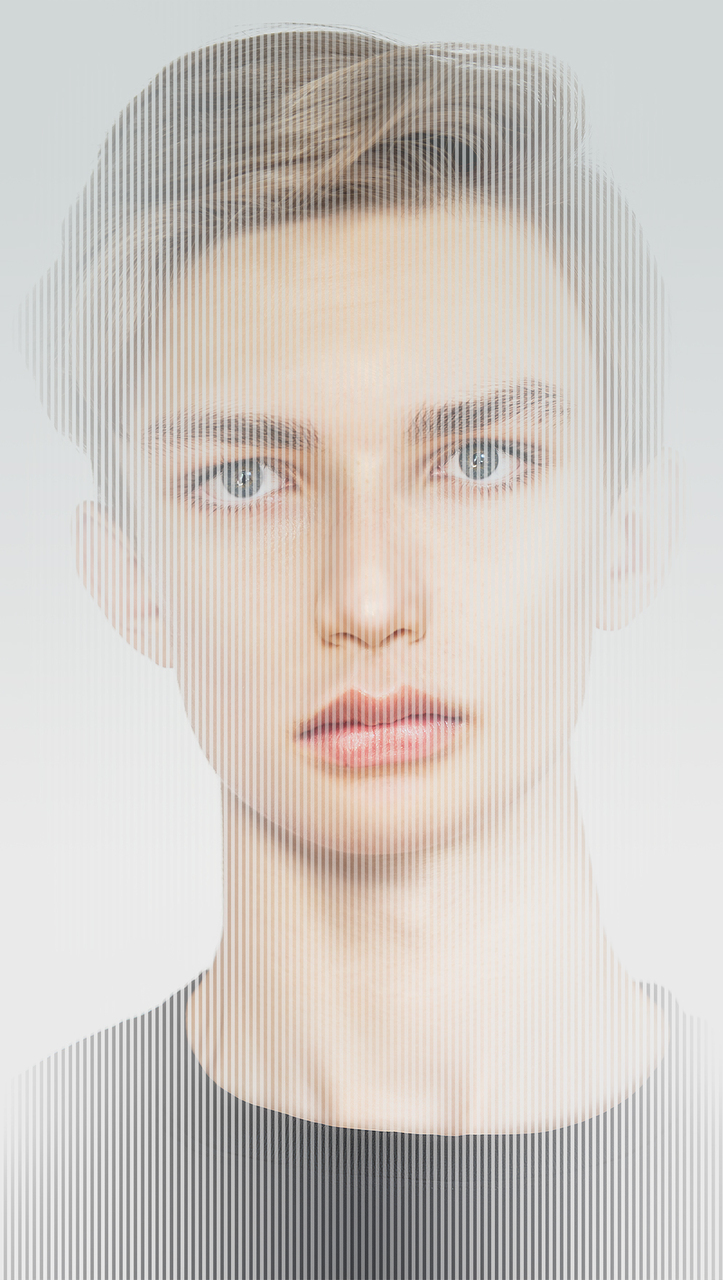
At the core of her practice lies a sustained engagement with fundamental questions that shape the condition of “human existence” —beauty and ugliness, time and life. In her early works, Kurimune worked with a method of applying various materials over photographic images she captured herself, layering them onto the printed surface. Since 2020, in her “Images” series, she has explored the possibilities of photographic and reproductive techniques through the dynamic visual effects of lenticular lenses, seeking to further expand the realm of visual expression.
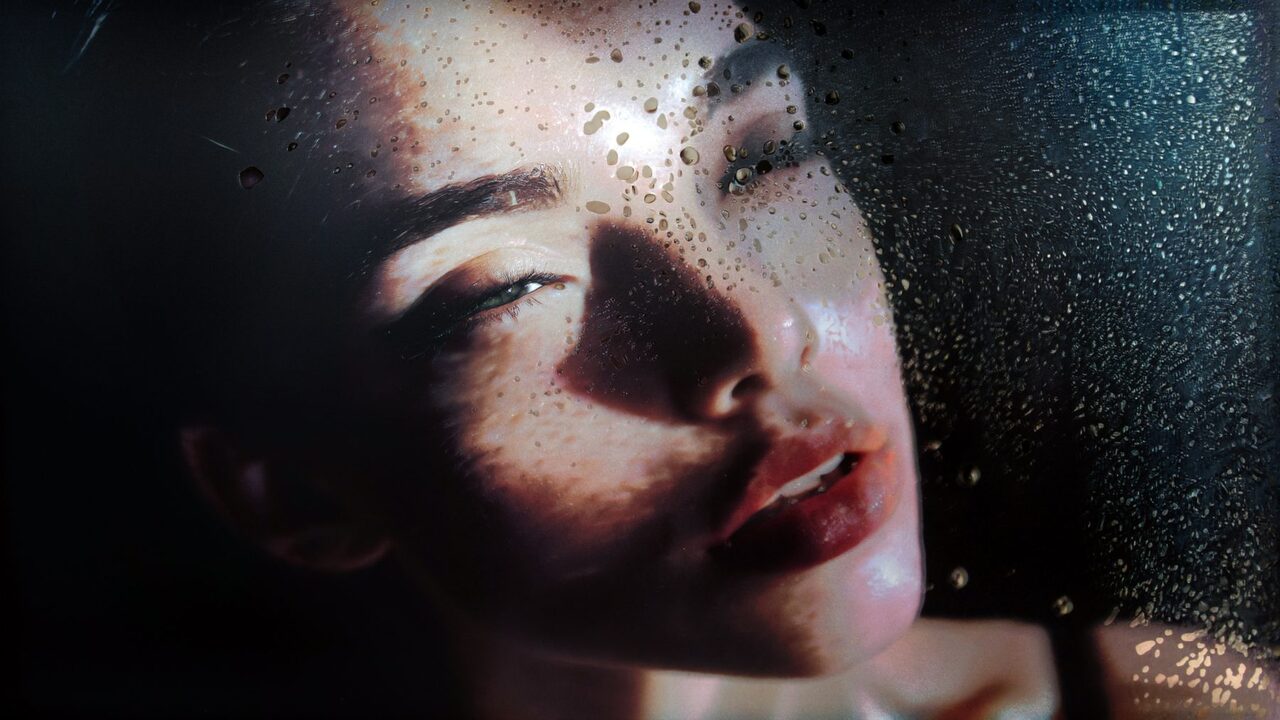
This is her first solo exhibition in about five years, this presentation constructs the space through a dialogical relationship between the “Images” series and a new series “Display”. These works bring into focus several contemporary concerns that have recently occupied Kurimune’s attention, the ambiguity between truth and fabrication in visual information accelerated by technological advancement, shifting relationships between information and perception, and the growing fragility of existence itself.
Artist Statement
Questions surrounding the boundary between the real and the fabricated, the uncertainty of existence, and the credibility of data and photographic images have long informed my practice. Since its inception in 2020, the “Images” series has been developed in response to these concerns.
In recent years, the rapid evolution of AI technologies has shifted my focus from capturing the “presence before us” to examining “figures constructed through structural operations.” This “structure” refers not only to technological frameworks such as algorithms and databases, but also to social frameworks, including value systems and institutional mechanisms. These two dimensions influence one another, shaping both what we see and what we are shown. As my interest in this interplay has deepend, the meaning embedded in the title “Images” has gradually shifted from connoting “perceived presence” to suggesting “visual signs constructed by structure.”
From this transition emerged a new series, “Display”. In these works, droplets depicted in AI-generated images are reproduced through volumetric printing, producing a sensation in which a two-dimensional dataset seems to surpass three-dimensional presence. My inquiry here centers on the relationship between vision and reality: how visual perception accesses lived experience, and how it may also diverge from it.
Underlying my work are two layers of “reality.” One is the reality constructed by the brain as it receives structurally mediated visual signs those shaped by technological and social operations. The other derives from Eastern philosophy, particularly the Yogachara notion that “all phenomena arise through the workings of the mind.” In this sense, our desires and beliefs—what we choose to see and what we choose to accept as reality, actively shape the very way the world appears to us.
These two forms of reality intersect across camera-recorded photographs, AI-generated images, and the overwhelming visual information of everyday life, making the boundary between the actual and the illusory, between fact and interpretation increasingly indistinguishable.
“Images” is a series that interrogates the instability of existence and the structuring forces that mutually define it. “Display” visualizes the perceptual fluctuations that arise between the two-and three-dimensional through the combination of AI-generated imagery and volumetric reproduction.
By positioning these two approaches in dialogue within the exhibition, I aim to create a space in which viewers can consciously access – and reconsider – the processes through which their own perception, values, and sense of reality are shaped, along with the structures and desires that underlie them.